Posts

BLEEDING GUMS DURING PREGNANCY: SHOULD YOU WORRY?

Image
Did you know that pregnancy can affect your oral health? About half of pregnant women experience bleeding, swollen, tender gums. Chances are more that during your pregnancy, you will experience a myriad of symptoms you have never had before. Bleeding gums is one such condition also known as ‘pregnancy gingivitis’ . Causes: Hormonal changes during pregnancy may cause inflammation of the gums….. This inflammation makes you susceptible to infections from bacteria found in plaque….. Infections leave your gum tender and swollen, which is why they often bleed when you brush.     Complications: While mild gingivitis likely won’t harm your baby, if left untreated, pregnancy gingivitis can progress to periodontitis which can increase the risk of premature birth, low birth weight or preeclampsia.   PrPPPPPP Prevention: Proper oral health during pregnancy is the best way to prevent gingivitis. Use soft bristled toothbrush and brush gently twice a day. Brus...

Chipped tooth: causes, symptoms and treatment.

Image
Teeth are remarkably strong, but they can chip, crack (fracture) or break. If you have a chipped tooth, you might not feel any tooth pain unless the chip is large enough to expose the nerves in the inner layer of the tooth. CAUSES: Falls or car accidents. Biting down on hard substances, like ice or hard. Playing contact sports without a mouth guard. Grinding teeth when you sleep. Having cavities that weakens the tooth. … ….When fortune turns against you,, even jelly breaks your teeth…….!! SYMPTOMS: Irritation of the gum around the chipped tooth Feeling a jagged surface when you run your tongue over your teeth  Irritation of your tongue from ‘catching’ it on the tooth’s uneven and rough edge ­ Pain from pressure on the tooth when biting, which can be intense if the chip is near to or exposes the nerves of the tooth    Treatment: Small Chip: If the chip in your tooth is very small, your dentist might simply...

Fluoride Treatment

Image
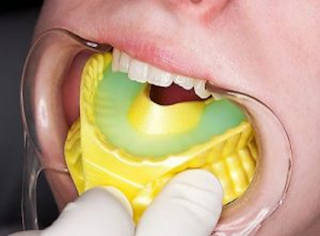
 Fluoride is a natural mineral that builds strong teeth and prevents cavities. It’s been an essential oral health treatment for decades. Fluoride supports healthy tooth enamel and fights the bacteria that harm teeth and gums. Tooth enamel is the outer protective layer of each tooth. Fluoride is especially helpful if you’re at high risk of developing dental caries, or cavities.  Cavities  occur when bacteria build up on teeth and gums and form a sticky layer of plaque. Plaque produces an acid that erodes teeth and gum tissue. If the plaque breaks down the enamel layer, bacteria can infect and harm the nerves and blood at the core of the tooth. In children, with mixed dentition the risk of caries is high and thus it is recommended to get fluoride treatment done at regular intervals. Goal s of fluoride treatment: -       Helps developing enamel become strong, resistant to decay. - ...

Flossing: method and importance

Image
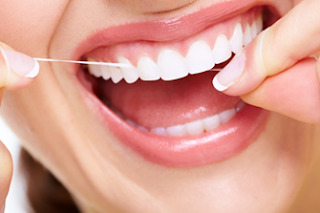
IMPORTANCE Brushing teeth correctly and consistently helps remove most dental plaque. But brushing alone can’t remove plaque that is located in places that a toothbrush can’t reach. This includes in between the teeth and under the gums. In addition to removing plaque, flossing also helps to: CONTROL BAD BREATH REMOVE DEBRIS THAT STICKS BETWEEN THE TEETH POLISH TOOTH SURFACES Correct Method to floss: Break off about 18 inches of floss and wind most of it around one of your middle fingers. Wind the remaining floss around the same finger of the opposite hand. This finger will take up the floss as it becomes dirty. Hold the floss tightly between your thumbs and forefingers. Guide the floss between your teeth using a gentle rubbing motion. Never snap the floss into the gums. When the floss reaches the gum line, curve it into a C shape against one tooth. Gently slide it into the space between the gum and the tooth. Hold the floss tightly agains...

Dental Care For Baby’s Gum & Teeth!

Image
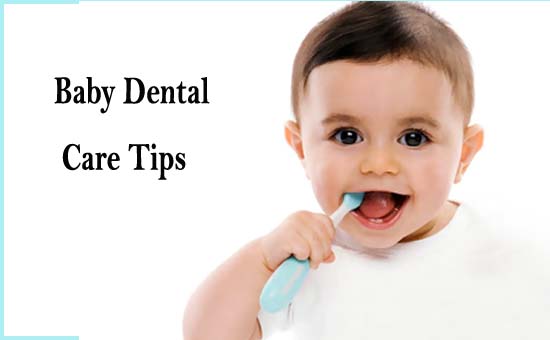
Dental care for baby teeth can start before your baby’s first tooth appears. A couple of times a day, you can gently wipe your baby’s gums using a damp, clean face washer or gauze. This helps your baby get ready for brushing when the first tooth arrives. As soon as teeth arrive, you can clean them twice a day – in the morning and before bed. Use a small, soft toothbrush designed for children under two years. If your baby doesn’t like the toothbrush in her mouth, keep using the face washer or gauze to wipe the front and back of each of your baby’s teeth. Use only water on the toothbrush  until your baby is 18 months old, unless a dentist tells you to do something else. The best way to clean your baby’s teeth Position your baby so you can see his mouth, and he feels secure. It might help to sit on a bed or the floor with your baby lying down so that his head is on your lap. Cup your baby’s chin in your hands, with her head resting against your body. Lift your baby’s lip...

5 Tips for a Healthier Smile

Image
Sometimes we skip a tooth brushing every now and then, which may seem like no big deal. While, in the grand scheme of things, it may seem like missing a tooth brushing here in there isn’t the end of the world, it may lead to unhealthy dental habits, which eventually could result in serious dental damage! By adopting healthy, regular dental habits, you can lower your chance of tooth decay and cavities. Here are some helpful tips towards a healthy, happier smile! Brush and Floss Regularly: You should brush your teeth twice daily with fluoride toothpaste and floss once. If you want to have impeccable oral hygiene, you may also brush your teeth after each meal or snack. If brushing isn’t a post-meal option for you, thoroughly rinsing your mouth with water will help as well. Use Mouthwash: Using mouthwash twice a day after brushing is a great way wash away leftover bacteria and give your mouth that super clean feel. Eat Tooth-healthy Foods: Believe it or not, there are ...

Ways to Make Brushing Fun for Kids

Image
Ways to Make Brushing Fun for Kids     Is your child refusing to brush his/her teeth? Do they take one look at the toothbrush and try to make a run for it? Motivating your kids to brush their teeth can be a challenge. Even 2 minutes of lost playtime can seem like a major sacrifice to your youngster. Start a Routine and Stick to It You may be tempted to let your child skip brushing after a long day or during times when your normal schedule is off (like vacation), but keep at it. The more second nature brushing becomes the easier it will be to make sure your child is brushing twice a day for two minutes. Go Shopping Let your child pick out his own toothbrush and toothpaste. Choosing a character toothbrush might make brushing more fun, and fluoride toothpastes come in a variety of flavours and colours. Turn tooth brushing into a game Children love to play games. So, why not turn tooth brushing into a game for your kids? You could make up a story...